Post-Quantum Cryptography: Preparing for the "Q-Day" Threat

Obulesh B.
Cybersecurity Expert
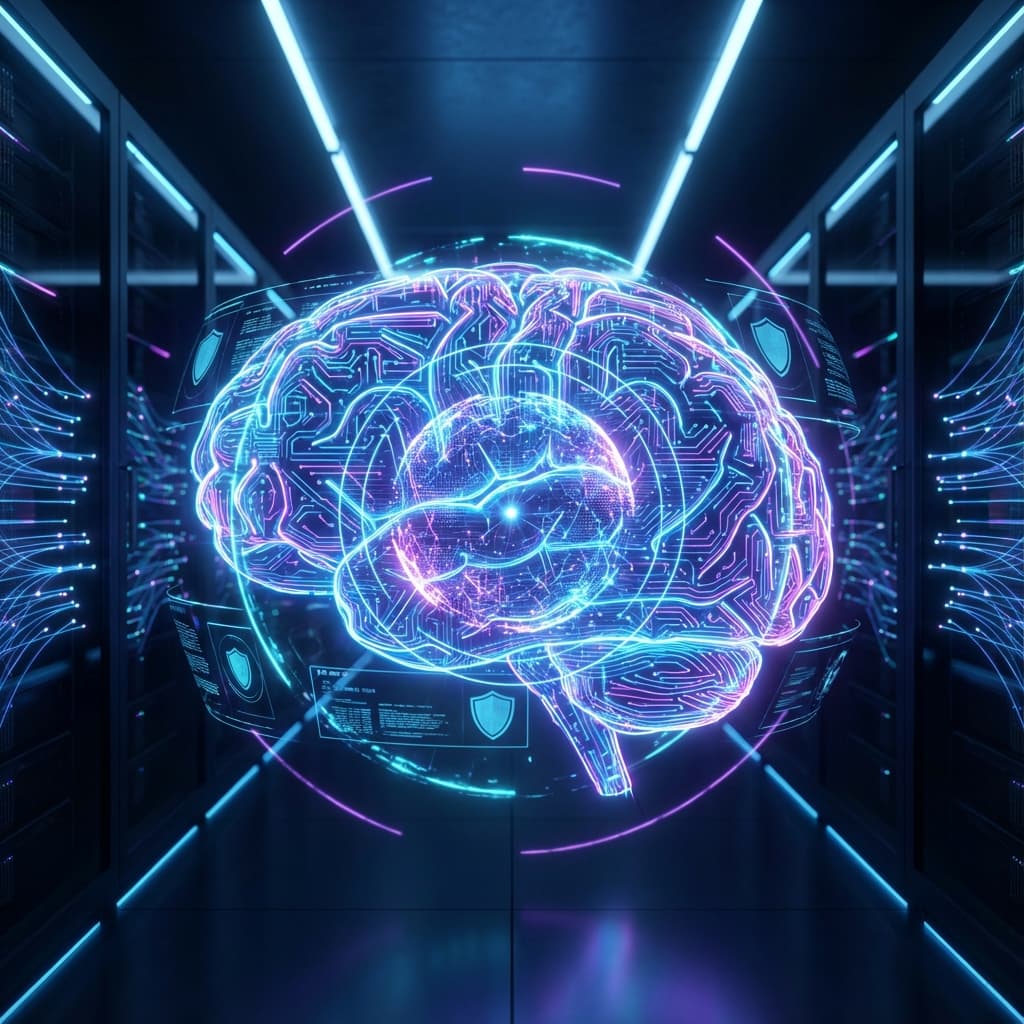
Quantum computing promises to solve complex problems in seconds that would take classical supercomputers millennia. However, it also poses an existential threat to cybersecurity. Shor's Algorithm, running on a sufficiently powerful quantum computer, will be able to break RSA and ECC encryption—the bedrock of internet security.
The "Harvest Now, Decrypt Later" Threat
Even though "Q-Day" (the day quantum computers break encryption) might be a decade away, the threat is immediate. Nation-state actors are intercepting and storing encrypted traffic today, planning to decrypt it once the technology matures. Long-lived secrets (e.g., trade secrets, national security data, health records) are at risk now.
Methodology: Preparing for the Quantum Era
1. Data Inventory and Classification
Identify data that has a long shelf life. If data needs to remain secret for 10+ years, it is a priority for quantum-resistant protection.
2. Crypto-Agility
Assess your systems for "crypto-agility"—the ability to switch encryption algorithms without rewriting the entire application. Hard-coded cryptographic calls are a major liability.
3. Adopt NIST Post-Quantum Algorithms
NIST has selected the first set of quantum-resistant algorithms (e.g., CRYSTALS-Kyber for key encapsulation, CRYSTALS-Dilithium for digital signatures). Start testing these algorithms in non-production environments to understand their performance impact (key sizes, latency).
4. Hybrid Implementation
During the transition, use a hybrid approach: encrypt data with both a classical algorithm (e.g., ECDH) and a post-quantum algorithm. This ensures that if the new algorithm has a flaw, the classical one still provides protection against classical computers.
Tags
Weekly Intelligence
Get the latest threat alerts and security insights delivered to your inbox.